The University of the South Pacific (USP) said its staff and scholars took Pacific science, research and community knowledge into discussions on climate action, finance and resilience at the Pacific pre-COP31 programme in Nadi, Fiji, which ended on 9 October.
The programme brought together policymakers, climate experts, regional organisations, youth representatives and civil society to consider how global climate decisions can better reflect Pacific priorities. USP representatives spoke in sessions on climate science, climate finance, youth and Pacific-led approaches, the university said.
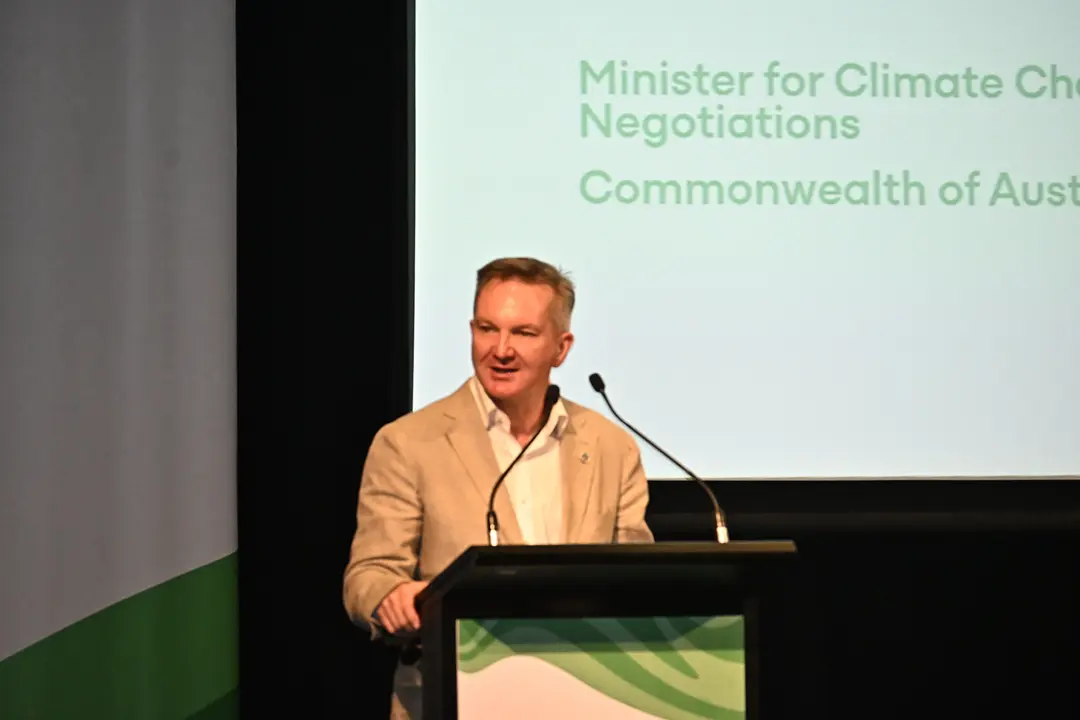
Australia's Minister for Climate Change and COP31 President of Negotiations, Chris Bowen, told the opening session the Pacific had a central role in shaping discussions ahead of COP31 in Antalya, Turkiye.
"Pre-COP is about exchanging experiences, knowledge, and ideas on how we can make COP31 a success, and no one is more important than the Pacific, a region that has done so little to cause climate change yet has so much at stake in combating it," Bowen said.
Associate Professor Dr Awnesh Singh, of USP's Centre for Sustainable Futures, said climate science was not abstract for the Pacific but concerned the ocean, the islands, food and water security, economies, cultures and the region's future. The science gave one clear message, he said: every fraction of a degree of warming mattered, because risks rose with each increment.
Singh also took part in a session on building Pacific resilience through integrated climate finance, where he called for faster implementation and more accessible finance. Pacific countries needed accessible support for resilient infrastructure, observations and climate services, and for responses to unavoidable loss and damage, he said.
Pacific Islands Forum Secretariat Climate Risk Finance and Governance Programme Adviser Linda Vaikeli pointed to the capacity and data constraints facing Pacific countries, and said regional cooperation could help the region organise itself better.
COP31 Envoy for Oceania Kristina Eonemto Stege said investment in Pacific youth was needed over the long term to build a generation of scientists, researchers, negotiators, policymakers and envoys able to sustain climate action beyond a single COP.
Pacific Islands Climate Action Network Director Dr Rufino Varea said there was a wealth of data and knowledge resting within communities.
USP also brought five Pacific PhD scholars to the programme through the Norway-Pacific Ocean-Climate Scholarship Programme, run with the University of Bergen. They presented research on ocean health, food and nutritional security, cultural resilience, climate-resilient forestry and climate-related mobility.