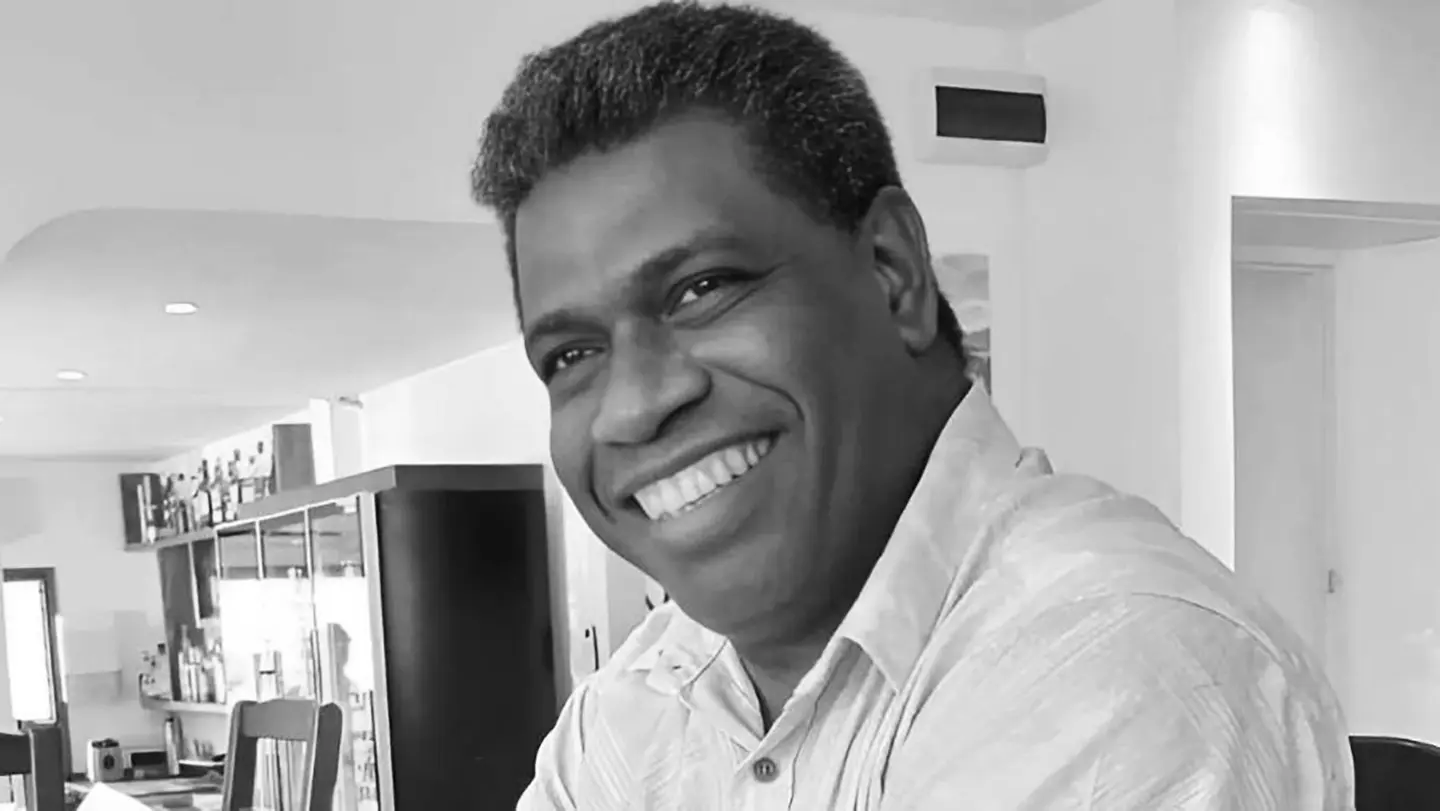
Solomon Islands Pidgin is far more than a language of everyday communication, Associate Professor Gordon Leua Nanau said as New Zealand marks Solomon Islands Pidgin Language Week.
Nanau, Deputy Head of Maori Studies and Pacific Studies at Waipapa Taumata Rau, University of Auckland, said the language carries the stories, values and relationships of Solomon Islanders and their understanding of who they are.
Spoken by hundreds of thousands of people across the Solomon Islands archipelago, Pidgin came out of centuries of interaction between different language groups and has become one of the country's most important unifying languages, the university said.
Nanau, who is from Guadalcanal, said the language also reflects the adaptability of Solomon Islands communities through periods of great change, including colonisation, rapid social change and the upheaval of the Second World War. It holds the memories of the people and connects younger generations to their families, villages and histories, he said.
Late in 2025 Nanau co-edited the book Oceanic Diplomacy, which looks at Pacific practices of leadership, conflict resolution, negotiation and relationship-building. The book argues that Pacific peoples practised sophisticated forms of diplomacy long before modern nation states, through customs such as dialogue, ceremony, feasting and relational leadership.
Many of those diplomatic practices, social relationships and cultural values are embedded in the words people use and the ways they communicate with one another, Nanau said, and language is central to the knowledge Pacific peoples have always produced.
Language also preserves collective memory, he said. Solomon Islands was one of the major battlegrounds of the Pacific in the Second World War, particularly on Guadalcanal, and communities still live alongside shipwrecks, aircraft remains and unexploded ordnance.
"Many Solomon Islanders still grow up hearing stories from parents, grandparents and elders about how the war disrupted communities and changed lives. Language helps us preserve those stories and pass them from one generation to the next," Nanau said.
Eighty years after the end of the war, he said it remains important to recognise the contributions of Solomon Islanders and other Pacific soldiers whose efforts were often left out of official histories. Pacific languages preserve perspectives missing from written records and help ensure histories are told by Pacific people in their own voices, he said.
For Solomon Islanders living in New Zealand, the language week is also a chance to strengthen connections across generations, Nanau said. When young people hear and speak Pidgin they build connections to family, culture and identity, and the language gives them confidence in who they are and where they come from.
Nanau said he hopes communities use the week to learn new words and share family stories, and that speaking, teaching and celebrating the language keeps it alive for future generations.