Aid donors are paying for constituency development funds in Solomon Islands to advance their geostrategic aims rather than to help the poorest, Development Policy Centre fellow Terence Wood wrote on the Devpolicy Blog.
Wood's research covers political governance in Western Melanesia and Australian and New Zealand aid.
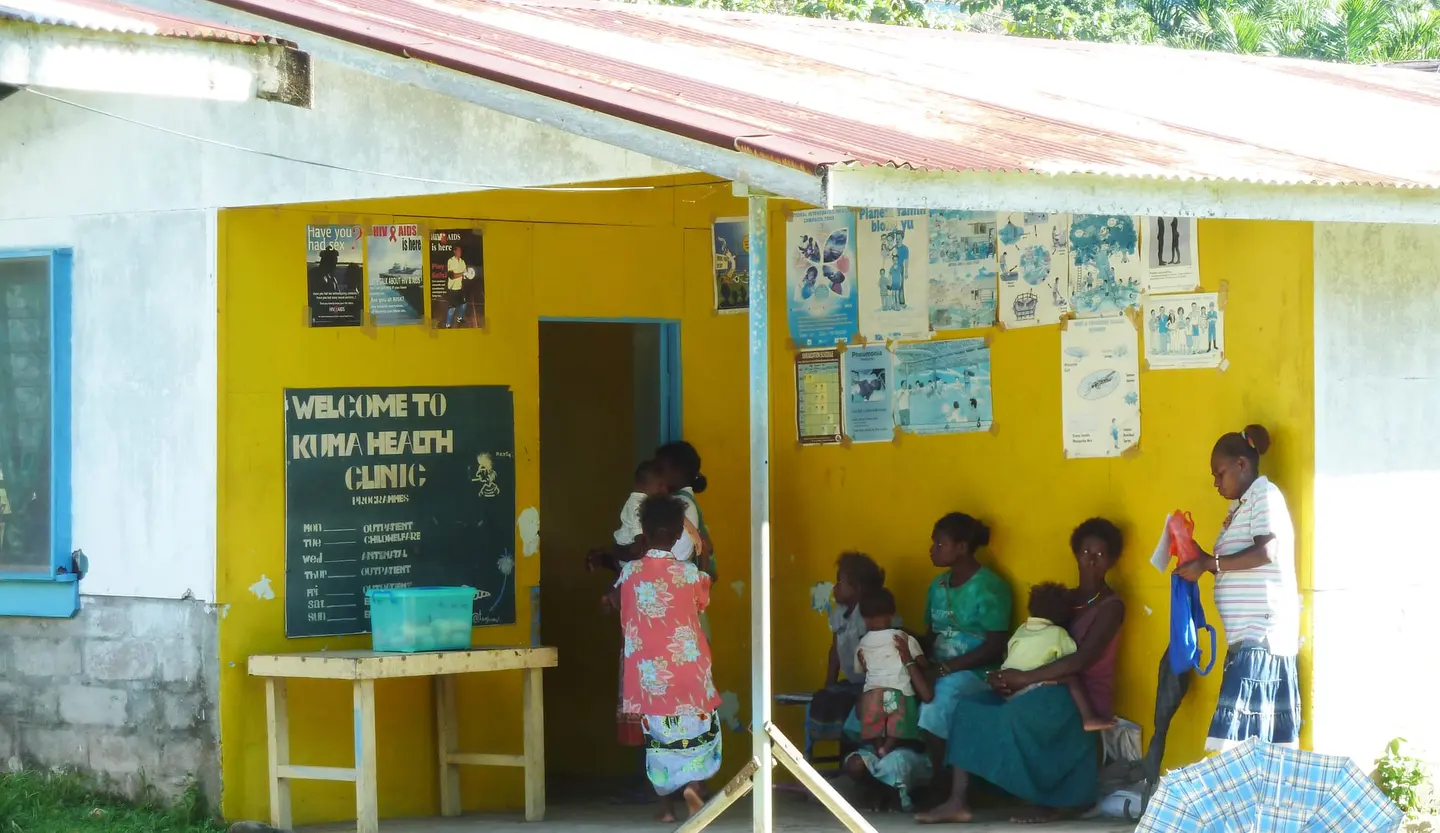
He and his wife stayed in 2011 in a village at the western end of a constituency on the Weather Coast, one of the poorest parts of the country, Wood wrote. Reaching Honiara from there takes several days on foot over a mountain range, or a canoe trip through the surf and a slow passage by ship.
Chainsaws were clearing land for gardens, outboard motors were pushing fibreglass boats out to fish, and people were talking about replacing thatch roofs with iron. The source of the change, he wrote, was the constituency development fund (CDF) at the disposal of their recently elected member of parliament.
In a leaky, lethargic state the fund looked remarkably good, Wood wrote: no panacea, but better than nothing, which was what people had been getting.
In a second village, in the east of the same constituency, people had received nothing, because they had not voted for the MP. In what Wood described as the clientelist politics of Solomon Islands, everything is reciprocal: vote for the MP and expect benefits, vote against him and get nothing.
The MP was neither corrupt nor larcenous, Wood wrote, but an amiable and reasonably honest man following the country's electoral calculus. Reward your supporters and you might be re-elected; spread the money too thinly and you probably will not.
The money began in earnest with Taiwan, which used it to buy recognition at the United Nations, he wrote. Until the diplomatic switch in September 2019, about 70 per cent of Taiwan's aid budget for Solomon Islands went through the Rural Constituency Development Fund.
The Solomon Islands government later added more of its own money, Wood wrote. Taiwan was replaced in 2019 by China, which at the request of the government started paying for a constituency fund of its own and, apparently, made a one-off payment to government MPs to stop them joining the opposition.
Think tanks in Washington and Sydney then published pieces on how China buys foreign politicians and on state capture in Solomon Islands, he wrote.
Australia has apparently agreed to start providing aid for CDFs, Wood wrote, a plan the Australian Broadcasting Corporation reported when the two countries reached an in-principle agreement in September, with the treaty expected to be signed later.
The reported scale is almost A$2 million for every MP over three years, A$93 million in total, he wrote, although neither government has formally confirmed the leaked figures and the treaty-linked money is reported not to have been paid out.
It has been alleged that Prime Minister Matthew Wale channelled Australian budget support into constituency funds for government MPs, presumably to reduce the risk of a no-confidence motion, Wood wrote. Australia says it has never paid money directly to Solomon Islands MPs, and that its budget support went to the Ministry of Finance and Treasury.
Wood declared a bias, writing that he has met Wale several times, likes him and believes he is sincerely committed to his country. Any prime minister in a country without political ideologies needs money to hold a weak governing coalition together, he wrote, and MPs value CDFs because they improve their prospects of re-election.
CDFs really can help, Wood wrote, but electoral competition remains as transactional as ever, and place after place will get nothing as punishment for backing the wrong horse, and no broad-based development either.
"How might we best spend our money to help the poorest?" has been displaced by "how can we advance our geostrategic objectives?", he wrote.