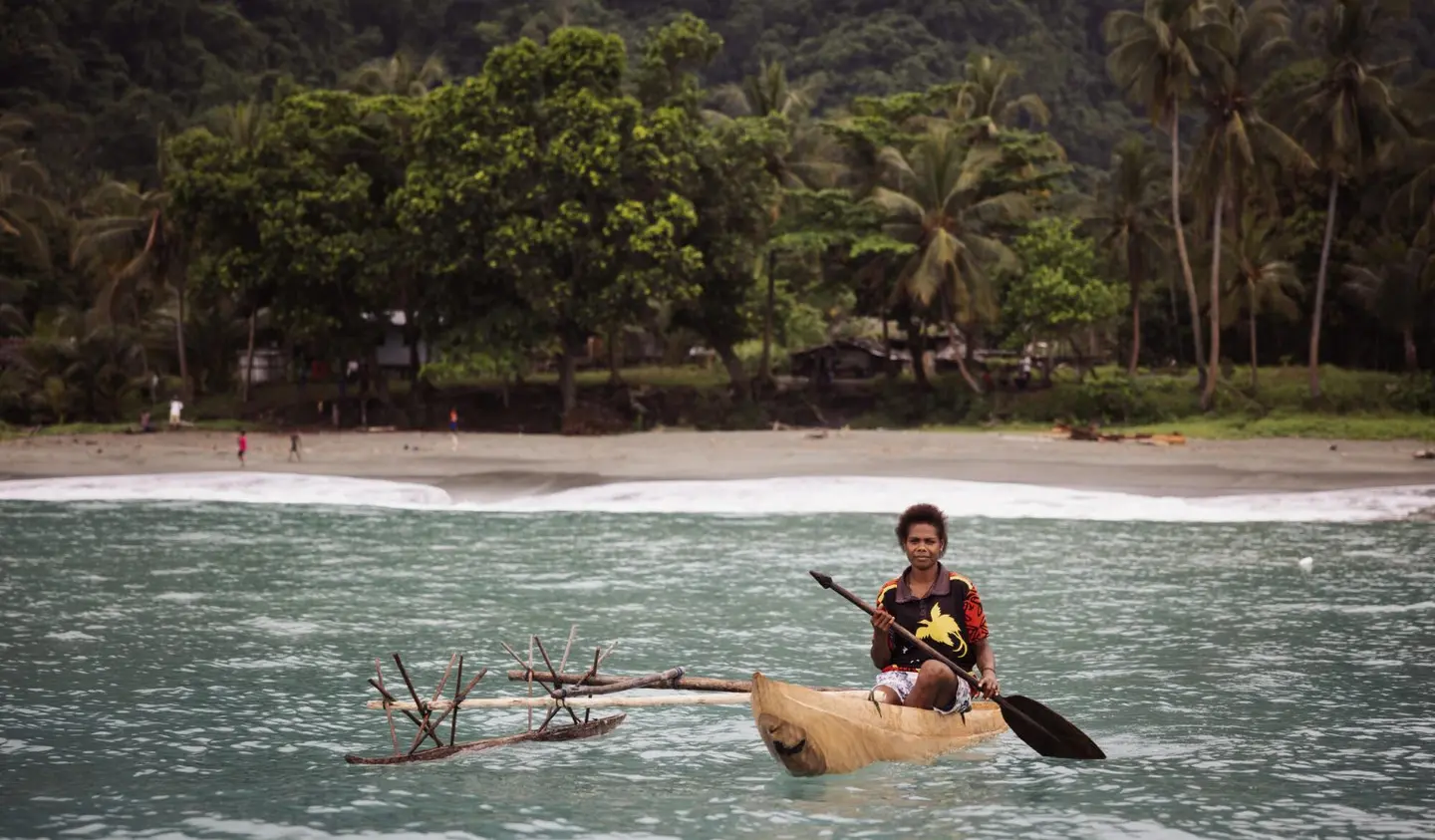
Pacific activists named the exclusion of women from decision-making as the root cause of every other gendered impact of climate change and water insecurity, according to research published on the Devpolicy Blog.
The article was written by Chelsea Huggett, Head of Strategy at WaterAid Australia; Diana Gonzalez, Research Principal at the Institute for Sustainable Futures at the University of Technology Sydney; Doris Tulifau, Founder and CEO of the Samoa-based organisation Brown Girl Woke; and Nalini Singh, Executive Director of the Fiji Women's Rights Movement.
The research, "Rising Tides, Rising Voices: Building a Pacific Movement for Gender Justice, Climate and Water", was carried out in late 2025 and early 2026. It drew on interviews with eight advocates from Samoa, Fiji, Vanuatu, Kiribati and Papua New Guinea, and an online survey of 38 practitioners working in or on 24 Pacific countries and territories.
Exclusion from decision-making, including from customary and traditional structures, was the issue most often called urgent, by 53 per cent of respondents, and the one most often said to need more attention in global debates, at 79 per cent. Women hold the knowledge about household water needs but are absent from the meetings where water decisions are made, particularly at community and subnational level, the authors said.
Disability equity showed the opposite pattern. Only 21 per cent named it among the most urgent issues and 28 per cent said it needed more attention, which the authors said suggests limited awareness of how disability and water insecurity compound each other. One disability advocate described women with disabilities staying home through cyclones rather than using evacuation centres that are not wheelchair accessible.
Asked what was most urgently needed, respondents pointed to women's leadership in climate and water governance at 72 per cent and gender-responsive financing at 59 per cent. Asked what was politically realistic now, they ranked technical priorities such as water, sanitation and hygiene in schools and health facilities highest, while women's leadership and gender-responsive financing fell by about 18 percentage points.
The authors said advocates described this as a considered response to a difficult political climate. In Vanuatu, they said, some organisations have moved away from the word "feminism" in public work because it provoked a backlash.
Advocates also called for a shift away from narratives of vulnerability. One advocate from Kiribati rejected the "sinking island" framing, arguing the country is changing shape rather than disappearing and that the framing erases the agency of its people.
Grassroots and feminist organisations reported little influence over governments, climate finance and the private sector. Interviewees said Pacific governments receive Green Climate Fund money that does not reach communities or grassroots organisations, and that grassroots groups must fit their work within externally set priorities to get funding.
The research sets out five calls to action, including building water security into gender and climate policy, paid and influential roles for Pacific women and people with disabilities in governance, long-term direct funding for grassroots organisations, and action on labour mobility effects on families, corporate water extraction and polluter accountability.
Fiji and Tuvalu host the pre-COP31 meetings in October, ahead of the 31st Conference of the Parties to the UN Framework Convention on Climate Change. The authors said Pacific Island countries contribute less than 0.03 per cent of global greenhouse gas emissions but face some of the world's most severe climate risks.
The research was developed by WaterAid Australia and led by the Institute for Sustainable Futures, with support from the Australian Department of Foreign Affairs and Trade and the Swedish International Development Agency. It is intended to support the 18 climate justice commitments in the 15th Pacific Women's Triennial outcome statement agreed in 2024.