Pacific children with disabilities need whole-of-systems support built on locally led partnerships rather than the supply of equipment alone, three authors wrote on the Devpolicy Blog.
They are Fleur Smith, a paediatric occupational therapist and senior technical advisor in disability inclusion and rehabilitation at the Nossal Institute, University of Melbourne; Tasneem Karim, a research fellow at Cerebral Palsy Alliance and the University of Sydney; and Matangaro Vogel, a mother from the Cook Islands raising a child with disability.
Access to the support children need is too often determined by where they live, who they know and what they can afford, the authors wrote. Rehabilitation services, assistive technology and caregiver support remain uneven and fractured, shaped by goodwill and good luck rather than good systems.
ATscale, the Global Partnership for Assistive Technology, is helping to scale up access to assistive products for school-aged children in Pacific island countries with funding from the Australian government, they wrote. But improving outcomes for children and families requires a whole-of-systems approach.
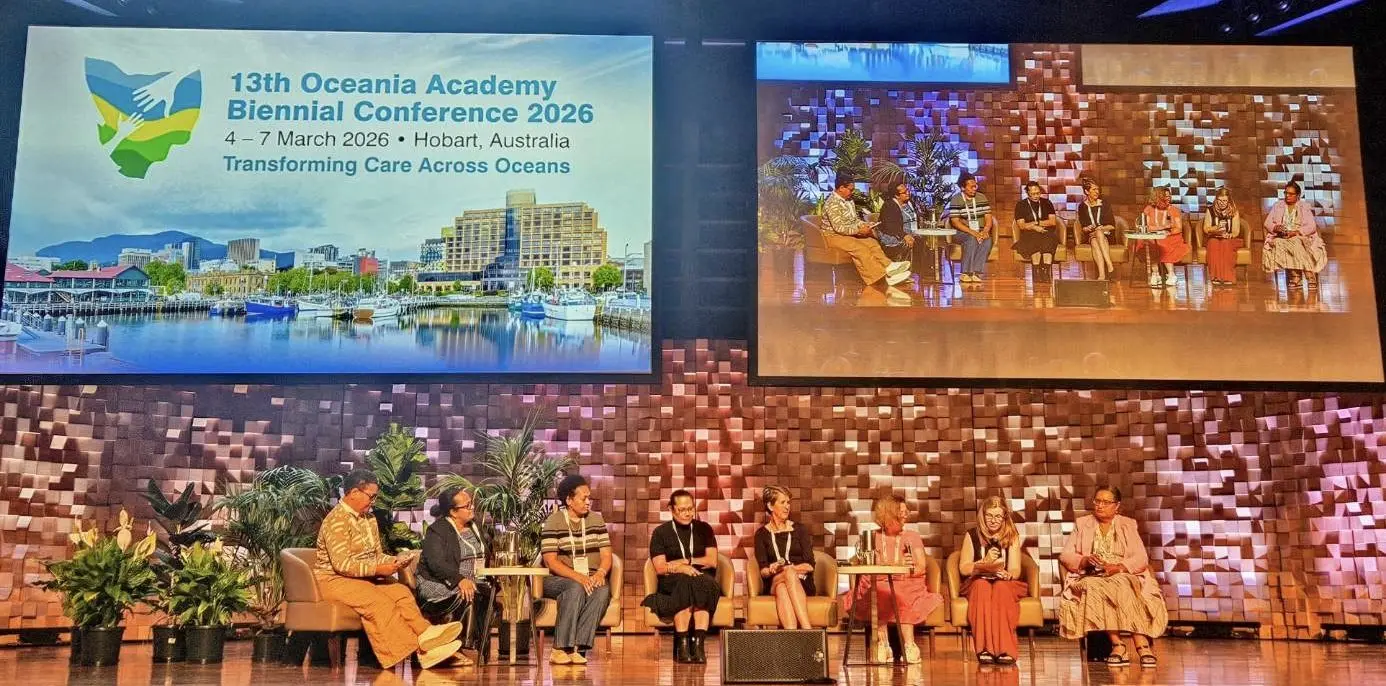
At the Oceania Academy of Cerebral Palsy and other Childhood-onset Disabilities conference in March 2026, the authors heard from Pacific leaders in paediatric services and from parents. Their message was that support for children with disabilities is about far more than assistive technology, and that assistive technology is about far more than supplying equipment.
Parents described the constant difficulty of getting assessments, therapies and support as their children grow and their needs change, the authors wrote. A mother in the Cook Islands said there were no specialists to guide her and that the equipment might sound like a luxury but was what her daughter needed to live.
Families who can afford it travel overseas, while others wait for visiting therapists. Service providers described fragmented systems, staff shortages and dispersed rural populations, with one provider in Vanuatu the only person delivering services for children with disabilities.
The allied health workforce is a central problem, the authors wrote. With few professionally trained workers, services are often provided by people with informal training who are not recognised by ministries of health as professional personnel and are not counted in workforce surveys. Without recognition, training, career paths and pay, they leave.
In her keynote address, Dr Ilisapeci Tuibeqa of the Pacific Paediatric Association said context was not a constraint to be worked around but a source of knowledge that should shape design.
"The Pacific is not starting from zero. There's leadership and expertise already. The future is Pacific-led partnerships," Tuibeqa said.
Participants said partnerships with overseas providers were part of the solution in the interim, and that the most successful were locally led and built on trust, the authors wrote. In Niue, a local organisation of persons with disabilities, government agencies and visiting therapy teams work together, with a local coordinator providing continuity between specialist visits.
Investment in assistive technology was welcomed, but programmes must build local capacity, be accountable to local institutions and continue beyond donor funding cycles, they wrote. Children should not have to rely on chance, charity or extraordinary persistence to get the support they need.