Scabies prevalence in Solomon Islands has fallen by 83 per cent after two rounds of nationwide treatment campaigns, according to a study published in the journal Nature Health on 10 November.
The World Health Organization said the study found the proportion of people affected by scabies dropped from 23.2 per cent in 2021 to 3.9 per cent in 2025.
Impetigo, a bacterial skin infection often associated with scabies, also fell, from 9.2 per cent to 1.6 per cent, a reduction of 82 per cent.
Scabies is a contagious skin disease that causes intense itching and discomfort, and can lead to serious bacterial skin infections, particularly among children. WHO classes it as a neglected tropical disease and recommends community-wide treatment in areas where it is highly prevalent.
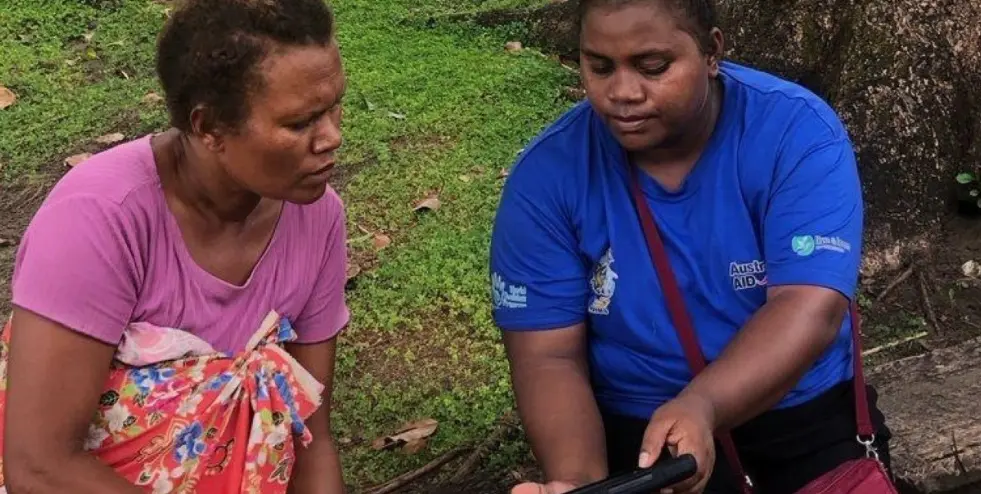
The improvements followed two rounds of mass drug administration carried out between 2022 and 2024, led by the Ministry of Health and Medical Services with support from the World Scabies Program. Trained health workers and community-based treatment teams delivered medicines to communities across the country, including remote and hard-to-reach areas.
Minister of Health and Medical Services Morris Toiraena said the result reflects the work of frontline health workers and the support of communities. He said the priority now is to sustain the gains by strengthening early detection, treatment and community awareness.
"Together, we have made significant progress in reducing scabies and protecting families, especially children, from skin infections," Toiraena said.
WHO said it has supported the country's scabies control work through technical guidance, training support and disease surveillance, working alongside MHMS and partners. It said it remains committed to supporting the ministry on neglected tropical disease control.
The study found scabies declined across all age groups, but children under five remain particularly vulnerable, which WHO said points to the need for continued prevention, early diagnosis and treatment.
The findings show that large-scale, community-based treatment campaigns can substantially reduce scabies and related skin infections, even in countries where reaching remote communities is difficult, WHO said.
The prevalence survey behind the study was carried out in May 2025, with health workers examining skin conditions in communities.