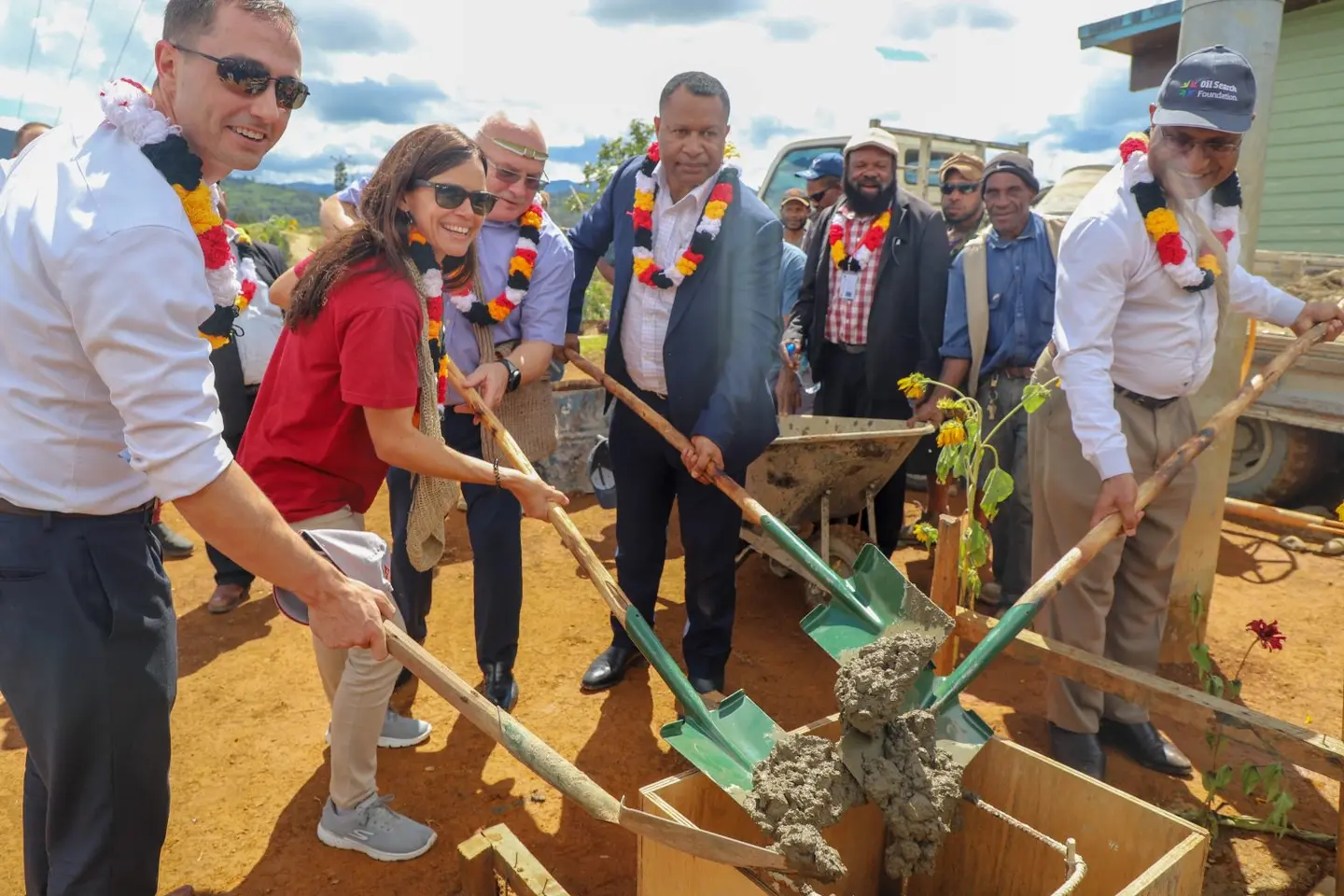
Papua New Guinea's health challenges are too large, too urgent and too complex for government to carry alone, Stephanie Copus Campbell and Sir Mahesh Patel wrote on the Devpolicy Blog.
Copus Campbell is Chair of City Pharmacy Limited, Chair of the CPL Foundation and a founding Director of Femili PNG. She was Executive Director of the Oil Search (Santos) Foundation from 2014 to 2022, Chair of the Southern Highlands Provincial Health Authority Board from 2018 to 2023, and Australia's Ambassador for Gender Equality from 2023 to 2025.
Sir Mahesh Patel OBE is a Fiji-born pharmacist who co-founded CPL Group in PNG in 1987. He stepped back from his executive and board chair roles in May 2026 and is now Chairman Emeritus of CPL Group.
The authors said the public sector must stay at the centre of the health system, setting policy, enforcing standards, financing essential services and making sure rural and vulnerable communities are not left behind. But government doing everything itself is neither practical nor affordable, they said.
The article is not an argument to privatise health care, they wrote, but to find the right balance for PNG's circumstances, with partnerships that strengthen the national system rather than split it into competing services.
They gave the PNG Business Coalition Against HIV and AIDS as one example, saying it helped companies spread information, reduce stigma and connect employees and communities with counselling, testing and care. Businesses for Health PNG later adapted the model for tuberculosis.
Oil Search, now Santos, and its joint-venture partners put tens of millions of dollars into health access in Southern Highlands and Hela provinces, the authors said. That investment helped prevent the collapse of Hela Provincial Hospital and strengthened the Southern Highlands Provincial Health Authority.
According to the National Department of Health's Assessment of Sector Performance 2019-2023, the two provinces moved from among the poorest-performing provincial health authorities to among the best. Reconstruction funding after the 2018 Highlands earthquake likely also played a role, the authors said, and both provinces still face serious health-service problems.
Private clinics and pharmacies fill part of the gap left by overstretched public facilities, they said, and provincial health authorities often use their own funds to buy urgent supplies from private distributors when medicines do not arrive through regular channels.
PNG's experience with medical-kit procurement shows the risks, the authors wrote, and a competitive tender alone is not enough to ensure transparency, quality and value for money. They called for independent quality assurance, declarations of conflicts of interest and beneficial ownership, and public reporting on contract awards.
Where a business representative sits on a provincial health authority board, boards should apply the disciplines expected of PNGX-listed companies, including full disclosure of interests and recusal from decisions where a director's firm has a commercial interest, they said.
In Port Moresby, the CPL Foundation and the Sir Brian Bell Foundation run Her Health Hub, which the authors said provides same-day cervical cancer screening and HPV testing for K20, a fee far below cost, with on-site treatment for women who test positive for high-risk HPV. Women needing more advanced treatment are referred to Port Moresby General Hospital's gynaecology clinic.
Development partners too often see private-sector actors mainly as suppliers, contractors or sources of funding, the authors said, and could instead help build the transparent procurement, standards and monitoring that make partnerships work.